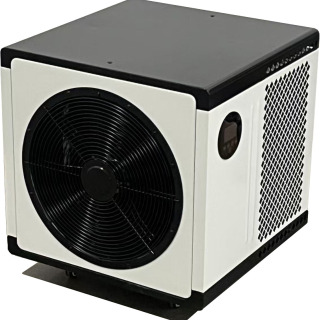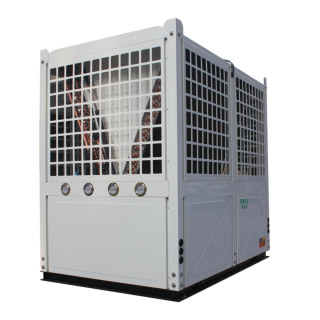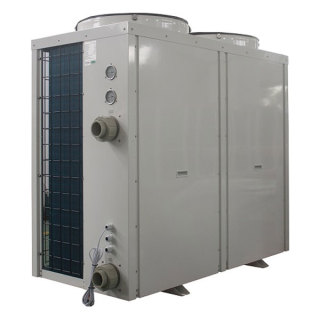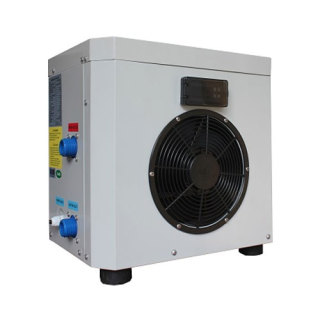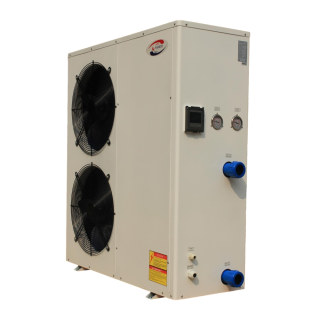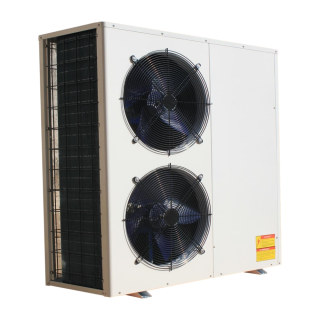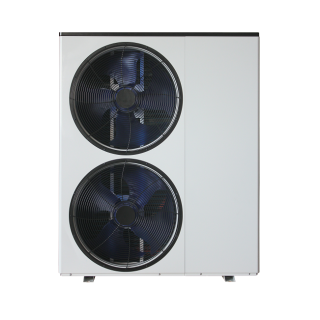
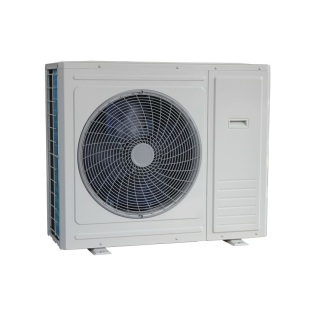
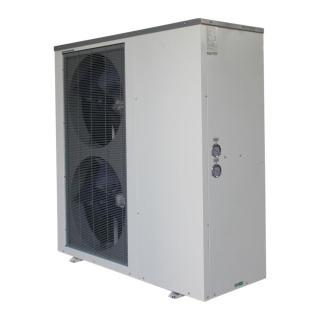
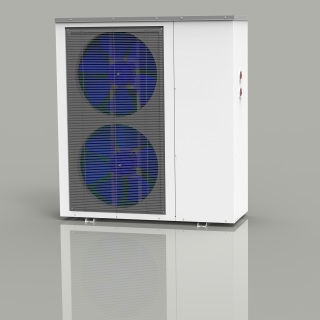
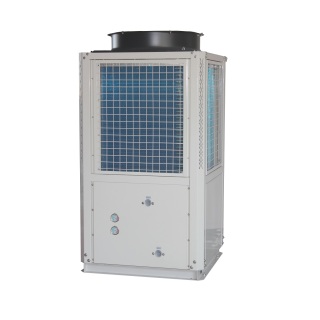
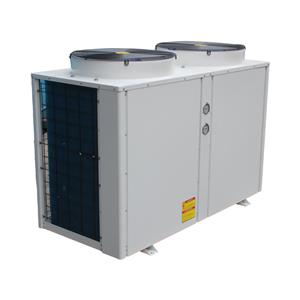
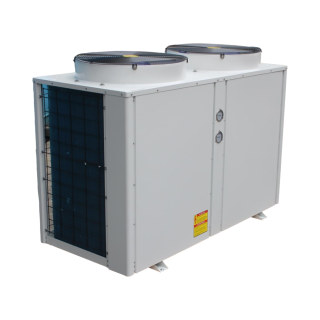
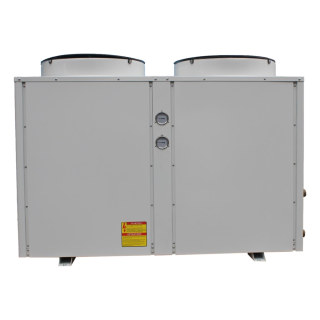
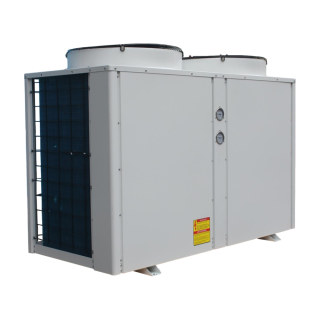
Swimming Pool Heat Pump (34kW-52kW)
-Suitable for ordinary commercial indoor swimming pool
-380V power supply
Comprehensive Comparison and Selection Strategy of Indoor and Outdoor Swimming Pool Heat Pump
SUOHER 34kW/42kW/52kW swimming pool heat pump has sufficient cooling/heating capacity for ordinary swimming pool, which can meet the water temperature regulation requirements of indoor swimming pool.
As the core equipment of modern swimming pool heating systems, the selection of swimming pool heat pumps requires comprehensive consideration of environmental adaptability, energy efficiency, spatial compatibility, and long-term maintenance costs. Due to differences in usage scenarios, indoor and outdoor swimming pools have significantly different performance requirements for heat pumps. We will systematically analyze the selection strategies for indoor and outdoor swimming pool heat pumps from four dimensions: technical parameters, environmental adaptability, installation and maintenance, and cost-effectiveness. The core competitive advantages of air-source heat pumps lie in their coefficient of performance (COP) and heating efficiency. With stable indoor temperatures (typically 18-25°C), these systems demonstrate high operational efficiency, featuring COP values ranging from 5.0 to 6.0, with premium models reaching 7.0. For instance, air-source heat pumps achieve COP values above 4.0 at 15°C ambient temperatures, while ground-source heat pumps, benefiting from consistent underground temperatures, can attain COP values up to 6.0.
The heating efficiency of swimming pool heat pumps is significantly influenced by evaporator design. A high airflow and small temperature difference design can improve the energy efficiency ratio, but it requires balancing noise and energy consumption. Environmental temperature fluctuations are significant (-15°C to 40°C), and the COP value drops significantly in low-temperature environments. For example, at-15°C, the COP of a conventional heat pump may fall below 2.0, while a low-temperature heat pump, through cascade systems or variable frequency technology, can maintain a COP of 3.0-4.0. Heating efficiency must also consider extreme weather adaptability, such as using jet enthalpy enhancement technology to improve low-temperature heating capacity. The noise control of electric indoor pool heat pumps is a key indicator, and low-noise models (such as less than 45 decibels) should be selected. For example, variable frequency heat pumps can reduce noise by 30% during low-load operation by adjusting the compressor speed. Energy-saving design package Space is limited, so compact models (such as wall-mounted or modular designs) should be selected. For example, air source heat pumps need to be reserved at least 1 meter away, and ground source heat pumps need 50-100 square meters of buried pipe area. Installation should consider ventilation conditions, such as avoiding the use of gas heater in closed space to prevent carbon monoxide poisoning. Outdoor pool heat pumps require relatively spacious areas but must consider protection against extreme weather. For example, in cold regions, the heat pump should be equipped with anti-freeze protection to prevent condenser icing. Installation should avoid strong wind zones; choose a sheltered side or add a wind shield to reduce the impact of wind resistance on heating efficiency. While climate effects are minimal, indoor humidity (40%-60%) must be controlled to prevent equipment corrosion. For instance, use stainless steel or titanium alloy materials to enhance corrosion resistance. During extreme weather like heavy rain, ensure the equipment has a waterproof rating of IPX4 or higher to prevent water ingress. Swimming pool heat pump c: Climate conditions significantly impact performance, requiring models with strong weather resistance. For example, in high-temperature regions, the heat pump must have high-temperature protection to prevent compressor overheating. During extreme weather like heavy snowfall, regular snow removal is necessary to ensure proper evaporator ventilation.